
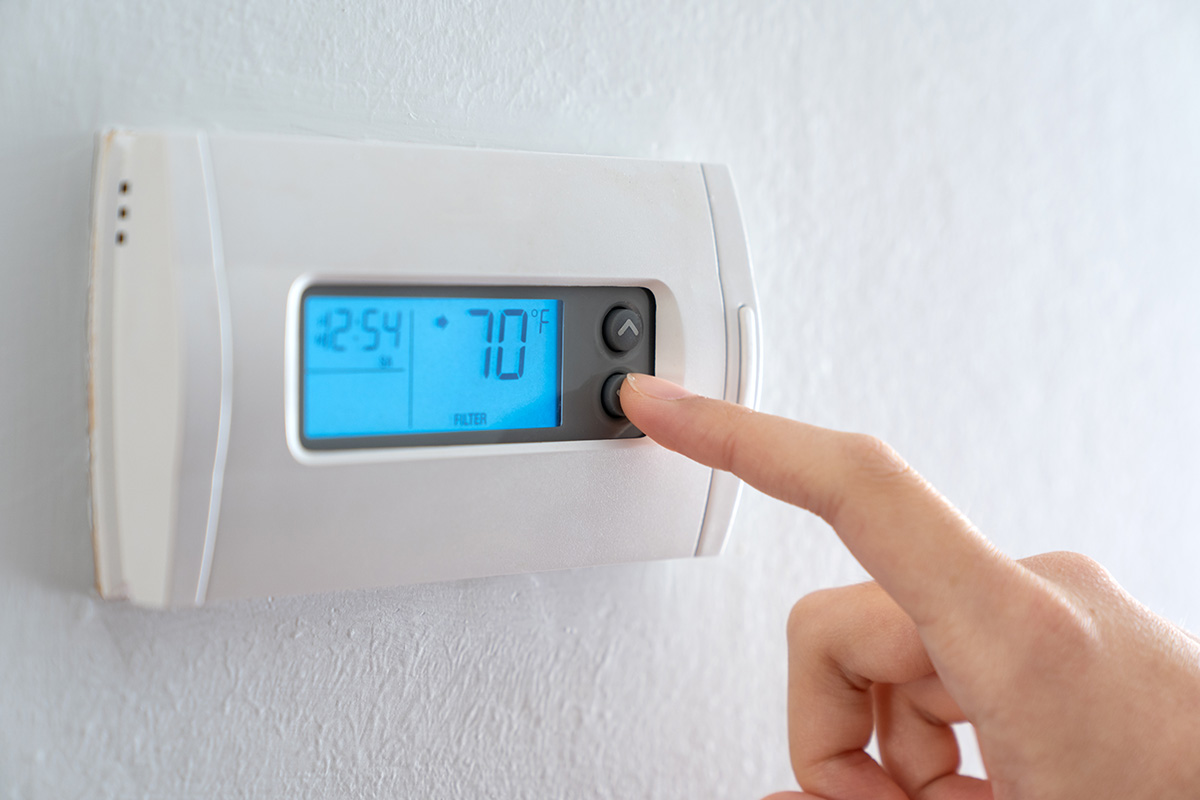
With ongoing uncertainty around global energy supply, many homeowners across Yorkshire are concerned about rising heating costs again in 2026.
Events affecting oil and gas supply can quickly impact energy prices in the UK, which often leads to higher household bills. While no one can control global markets, there are practical steps you can take to reduce your energy usage and keep your heating costs under control.
Why energy prices may rise again
A significant proportion of the world’s energy supply passes through key global routes. When these are disrupted, it can affect availability and drive prices up internationally.
For UK homeowners, this often results in increased gas and electricity costs, especially during colder months when demand is highest.
What rising costs mean for homeowners
If prices increase again, it can lead to:
For many households, heating is one of the biggest ongoing expenses, which is why improving efficiency can make a noticeable difference.
How to reduce your heating bills in 2026
There are several ways to reduce your heating costs, even if energy prices rise.
Keep your boiler running efficiently
1. Regular servicing helps ensure your boiler is operating safely and efficiently. A well-maintained system uses less energy and is less likely to develop costly issues.
If your boiler hasn’t been serviced recently, you can find out more about our boiler servicing here.
2. Upgrade an older boiler
Older boilers are often far less efficient than modern systems. Replacing an outdated unit with a newer model can significantly reduce energy consumption and improve performance.
3. Improve insulation
Improving insulation in your home helps retain heat for longer, reducing the amount of energy needed to maintain a comfortable temperature.
4. Consider switching to a heat pump
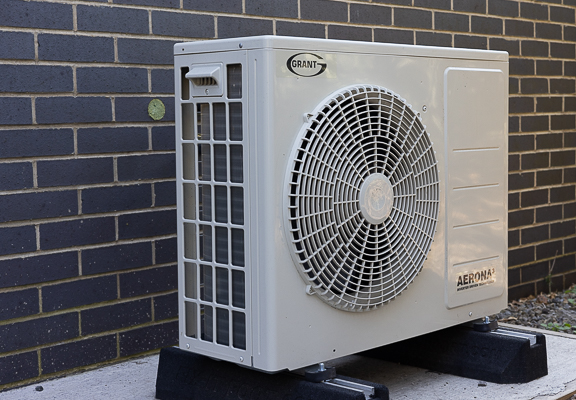
For homeowners looking at long-term solutions, air source heat pumps offer a more energy-efficient alternative to traditional heating systems.
Planning ahead for rising energy costs
While energy prices may fluctuate, improving the efficiency of your heating system is one of the most effective ways to reduce long-term costs.
Small changes, such as regular servicing, can help in the short term, while larger upgrades like a new boiler or heat pump can provide lasting savings.